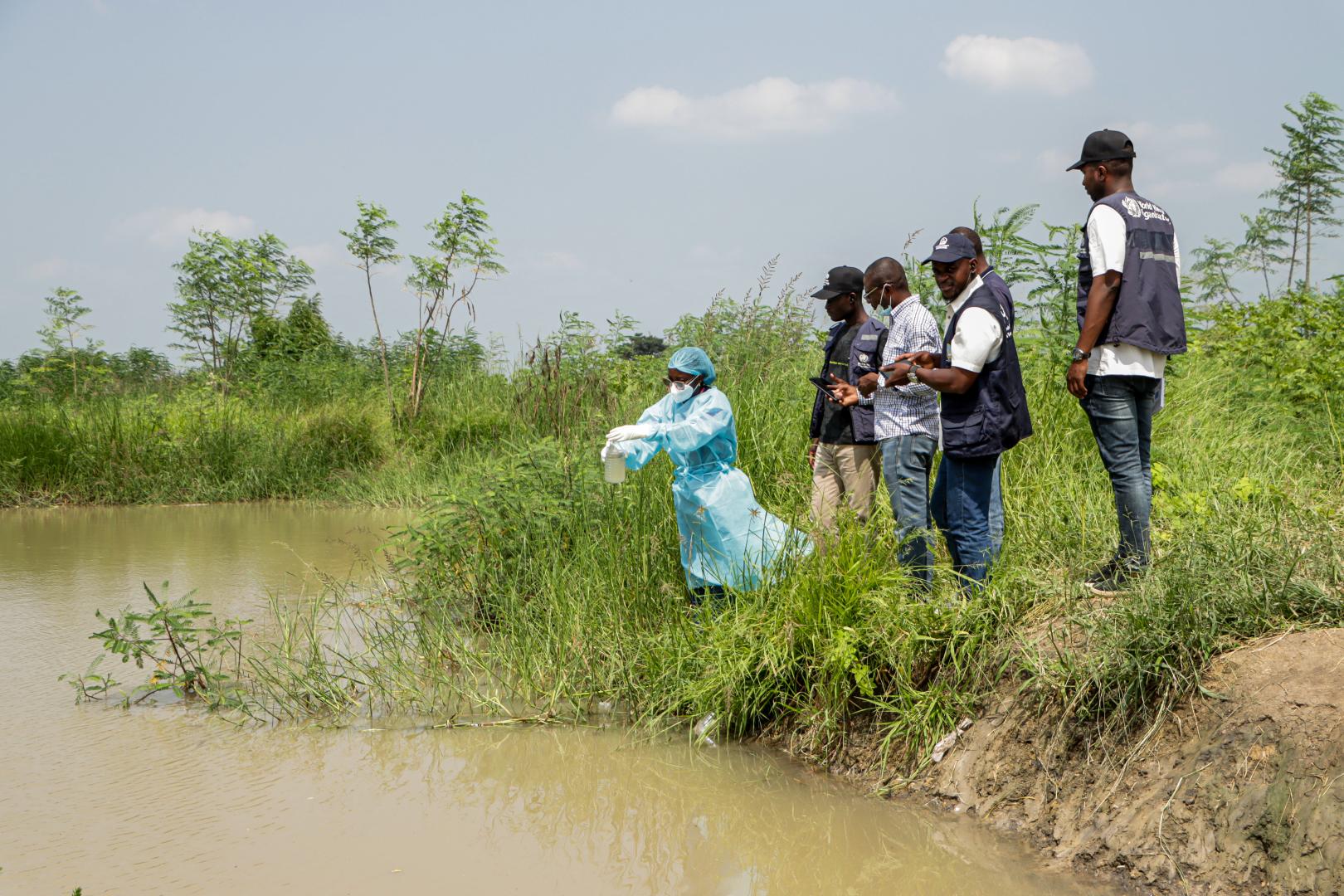
Angola strengthens epidemiological surveillance with digital training during Vaccination Week
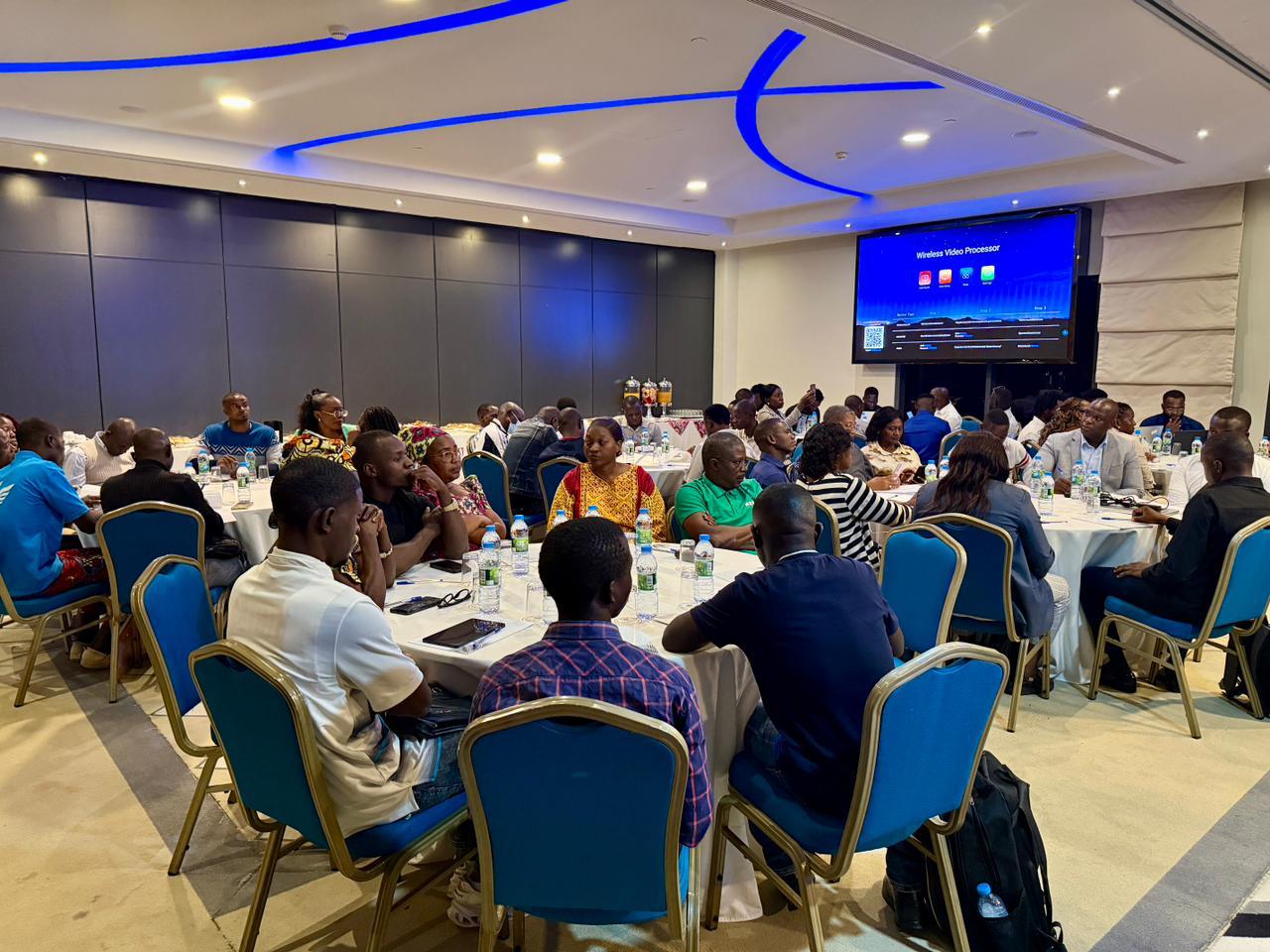
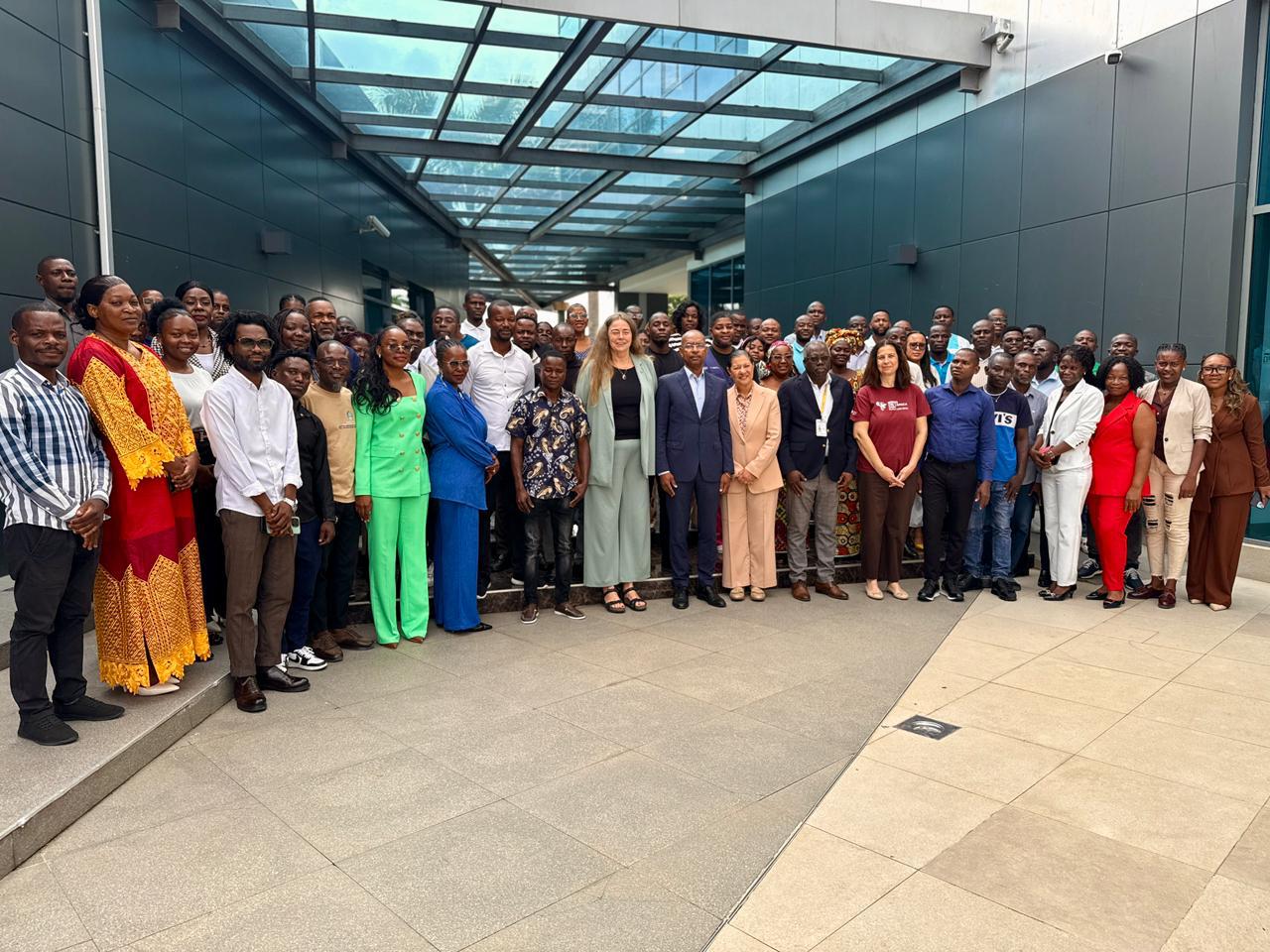
The Ministry of Health, through the National Directorate of Public Health (DNSP), in partnership with the World Health Organisation, is holding a national training workshop on electronic surveillance, taking place from 22 to 27 April in Luanda. The initiative focuses on the use of eSurv Companion, a digital tool that strengthens surveillance of vaccine-preventable diseases and the monitoring of post-vaccination adverse events.
The meeting is taking place as part of World Immunisation Week and African Immunisation Week, celebrated this year under the slogan ‘For every generation, vaccines work’.
Globally, it is estimated that vaccines have saved more than 150 million lives over the past 50 years, protecting populations against diseases such as measles, polio, hepatitis and pneumonia. However, these gains are under pressure. The resurgence of measles, gaps in vaccination coverage and the number of children who have not yet received even the first dose show that progress is not guaranteed.
In Angola, this challenge is even more evident given the continued circulation of type 2 vaccine-derived poliovirus, reinforcing the need for more robust and responsive epidemiological surveillance systems.
At the opening of the meeting, the National Director of Public Health, Dr Helga Freitas, emphasised that training is a strategic priority for the Government in strengthening the national surveillance system. The initiative aims to improve the monitoring of vaccine-preventable diseases and ensure a more effective response, based on real-time information.
The training aims to develop technical skills in the use of eSurv Companion, consolidate a network of professionals capable of sharing knowledge, and reinforce the application of standardised procedures in the surveillance of diseases such as polio, measles, yellow fever and neonatal tetanus.
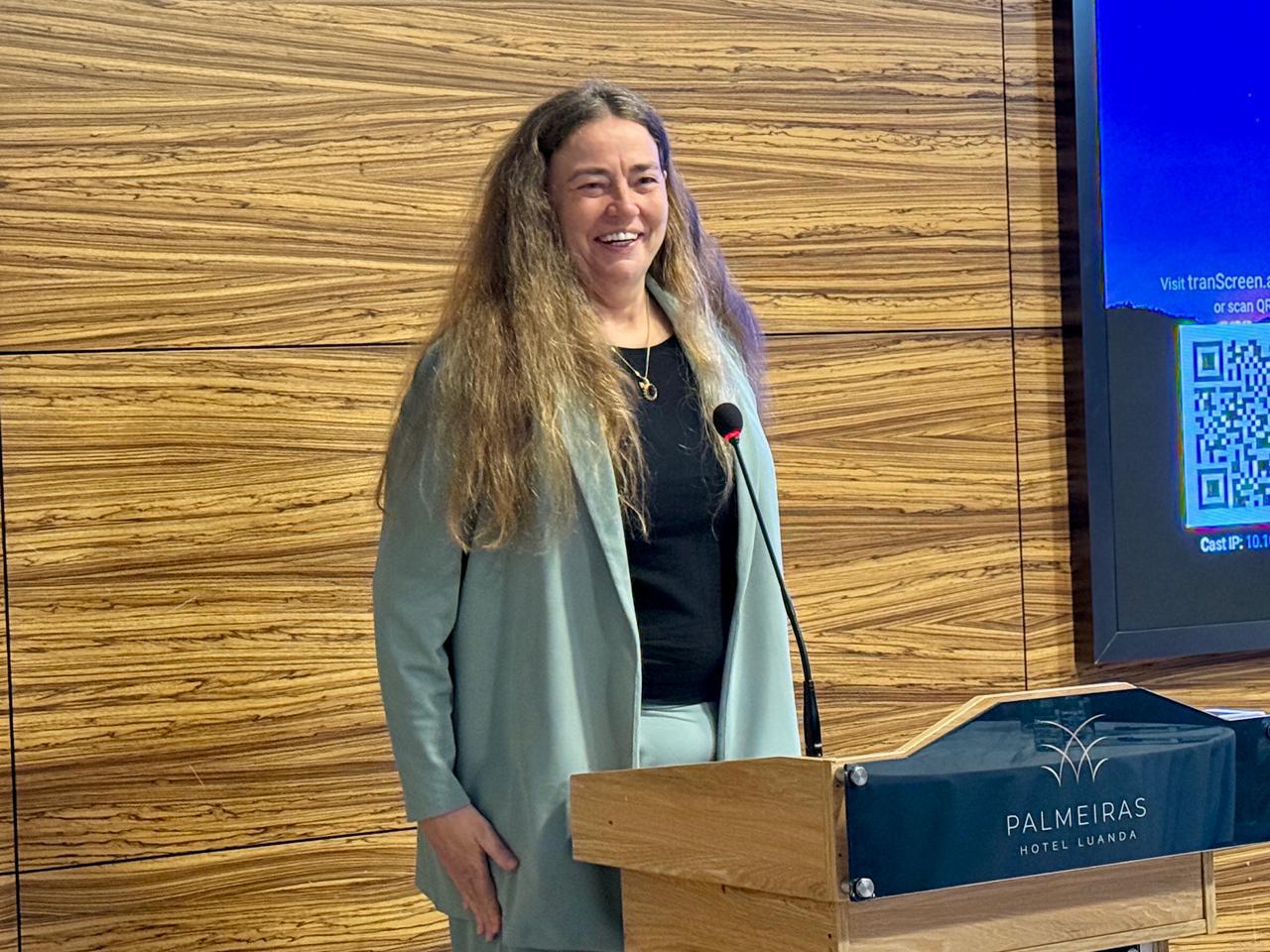
According to Dr Erna Van Goor, Head of the WHO Emergency Preparedness and Response team in Angola, “vaccines work for all generations. However, they only have a sustainable impact when supported by effective surveillance systems, quality data and trained professionals on the ground”. She also emphasised that tools such as eSurv Companion are essential for improving data quality, speeding up case reporting and strengthening the rapid response to public health threats.
The training brings together around 80 municipal and provincial technicians from the provinces of Luanda, Zaire, Bengo, Cabinda and Icolo e Bengo, and addresses the challenges posed by the country’s new political-administrative division, which requires greater harmonisation of procedures and expansion of technical capacity across the entire national territory.
As next steps, further training initiatives are planned to reach health workers in all of the country’s municipalities, thereby strengthening active surveillance, timely reporting and the capacity to respond to outbreaks.
By launching this initiative during World Immunisation Week, the Government of Angola and the World Health Organisation reaffirm that the country is determined to ensure that vaccines continue to save lives, today and in the future, for all generations.

Communication Assistant
WHO Angola
rpedro [at] who.int (rpedro[at]who[dot]int)